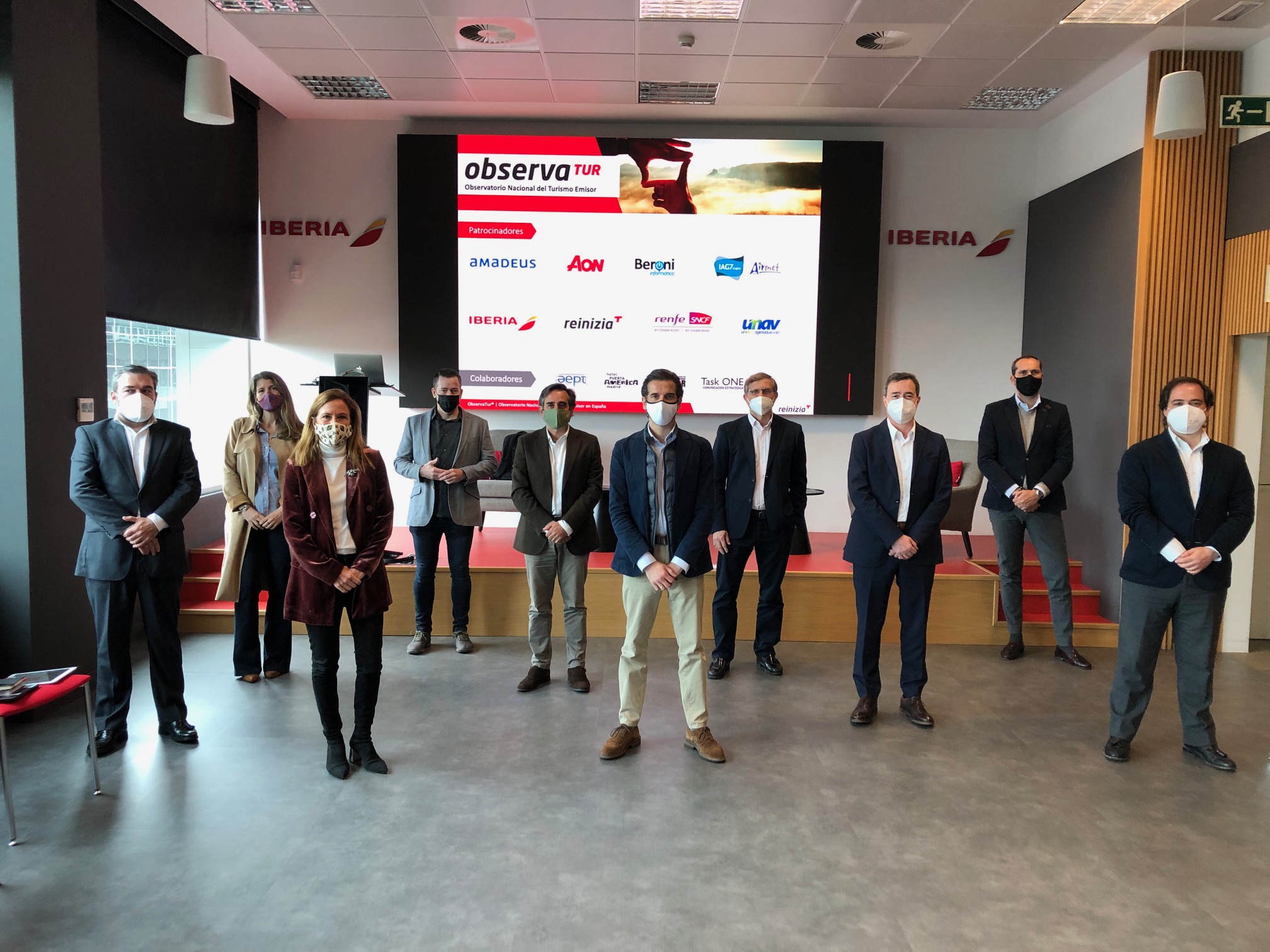
- ObservaTUR is launching a new initiative as part of its program to support the tourism sector. The initiative, titled “ObservaTUR Breakfasts,” brings together renowned professionals from the tourism sector and other economic fields to share their ideas on how to move forward with the sector’s recovery.
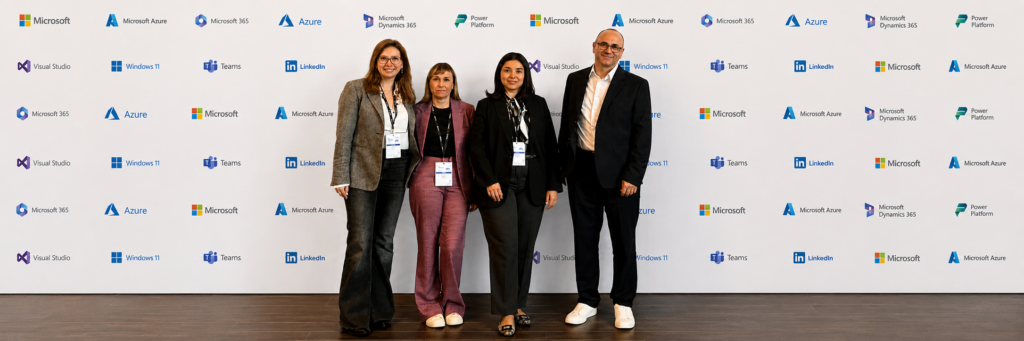
The National Observatory on Outbound Tourism (ObservaTURis launching a new initiative as part of its program to support the gradual recovery of the tourism industry and its various subsectors. Representing Beroni, our CEO Josep Bellés attended the session.
The initiative is called “ObservaTUR Breakfasts, ” a regular series in which renowned professionals from the tourism and travel sector—or any other economic field—will share their ideas and perspectives to help drive the recovery forward.
The inaugural session featured David Hurtado, Customer Success Innovation Lead at Microsoft, who gave a presentation titled “Keys to Digital Transformation in the Tourism Sector in a Post-COVID Environment.” Hurtado holds a degree in Business Administration from the American Business Administration School and also teaches as an adjunct professor at ISDI Madrid.
The Microsoft representative stated in his presentation that, based on the analyses and studies conducted by his company regarding the use of its technology and tools, the employee-employer relationship model (and this applies to all sectors, not just the tourism industry, according to Hurtado) will undergo significant changes that will particularly affect certain organizational processes.
Among these, for example, he mentioned the rise of remote work and flexible work arrangements, which are here to stay; this will lead to improvements in urban sustainability and necessitate changes within offices and in their learning processes, with a greater reliance on technological platforms.
These changes, however, will not put an end to physical workspaces, as people—including employees—are eager to return to the office and get back to normal, albeit under new conditions.
In fact, organizations such as Microsoft believe that, during this period of remote work, productivity has not suffered, although they have observed some burnout among employees, which has led some companies to develop tools for remotely monitoring employee morale, he explained.
Hurtado added a statistic that, far from being cause for concern, could present an opportunity for the tourism sector and tourist destinations—specifically for those known as “digital nomads”: 41 percent of workers are reevaluating their current jobs under the current circumstances. It is worth noting, in this regard, that more than 8,000 remote workers have moved to the Canary Islands since the pandemic began.
Another future trend highlighted in the talk—one that will affect both professional work and events—will be the rise of the hybrid model, according to the associate professor at ISDI Madrid. The same goes for the advancement of contactless technology: “In the medium term, no one will touch anything.”
Another key point highlighted by David Hurtado in his presentation was the potential impact of artificial intelligence on the economy, particularly in the tourism sector—both in terms of the technological enforcement of social distancing and safety measures, as well as in CRM management and the monitoring of customer opinions and sentiments.
This first meeting was attended by representatives of the ObservaTUR board of trustees, including Amadeus, AON, Beroni, IAG7/Airmet, Iberia, ReiniziaT, Renfe SNCF and the National Association of Travel Agencies (UNAV).
About Beroni
Beroni leads the development of specialized software solutions exclusively for outbound travel agencies—including leisure and business travel agencies, wholesale agencies, inbound agencies, and professional conference organizers (OPCs).
It is worth noting the significant role this technology company has played over the past six years in web design and through its online marketplace, enabling destinations to promote their regions and market the tourism experiences they offer to travelers. Also noteworthy is its online booking platform, Wasabi-s, which is currently used by more than 1,500 travel agencies and six management groups.
Since its founding in 1987, Beroni has been promoting high-quality technology projects tailored to each business and its specific needs, helping travel agencies undergo digital transformation.